6 Must Knows from an Environmental Health Officer (EHO)
If you’re a chef in a busy kitchen, you’re probably confident on the pass, in the prep area, and during service. But how confident are you when an Environmental Health Officer (EHO) walks in?
A visit from the EHO doesn’t just test the manager or the paperwork. It tests what happens on the ground, and that often starts with the chefs.
Here are six practical things every chef should know when it comes to food hygiene inspections.
1. EHOs watch what you do, not just what’s written down
It’s easy to think food safety is all about forms and records. But what EHOs are really interested in is how you handle food in practice. That means how you wash your hands, how you store ingredients, how you avoid cross-contamination and how you cook food, to name a few.
If the procedures say one thing but your prep area tells a different story, it will be noticed.
2. Your fridges tell a story, keep them clean, labelled and organised
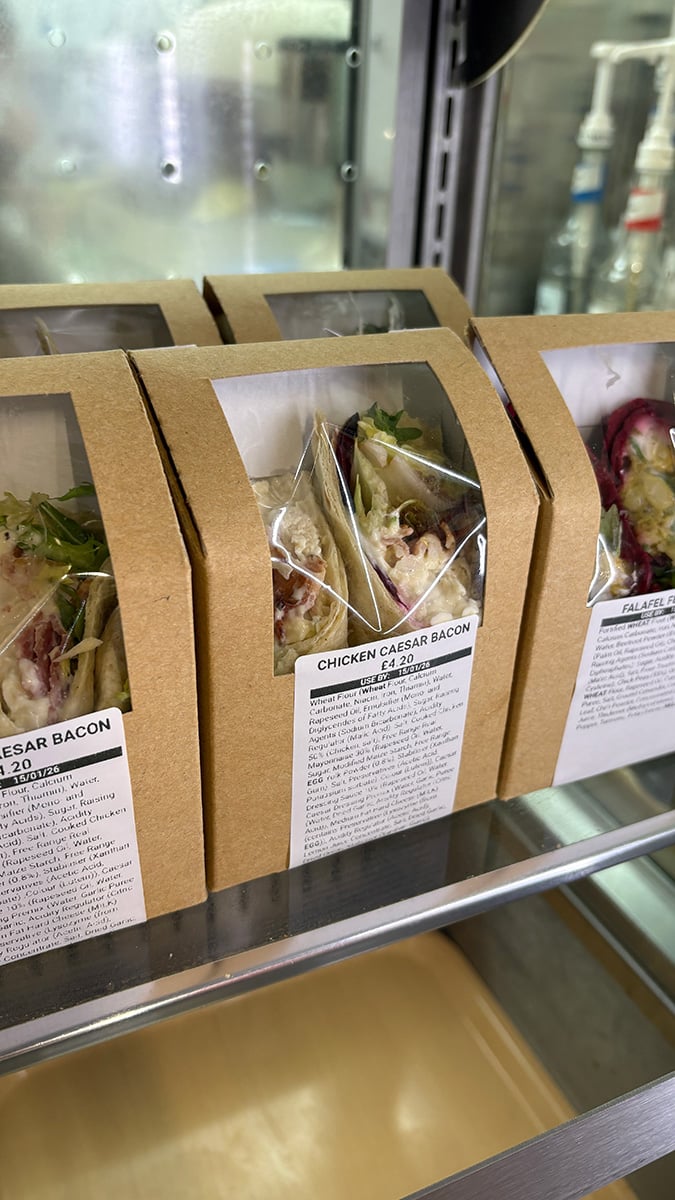
If an EHO opens a fridge and finds raw meat stored above cooked items, or tubs with no labels or dates, it raises concerns. Are you following First In First Out (FIFO)? Are allergens being managed properly? Are you checking use-by dates?
3. Know your key temperatures
EHOs will check temperatures. Make sure you’re on top of them, even before the officer shows up. You should know the following:
Chilled food temperature: 8°C or below (ideally between 1°C and 5°C)
Frozen food temperature: -18°C or colder
Core cooking temperature: 75°C or above or equivalent
Hot holding temperature: 63°C or above
4. Know your cleaning basics
Cleaning is one of the most visible signs of a well-run kitchen. EHOs will pay close attention to how it’s done and whether it’s effective. Here’s some things to consider:
Change cloths regularly to prevent cross-contamination and cross-contact between allergens.
Know your sanitiser. The EHO will check whether your sanitiser complies with British Standards (BS EN 1276 or BS EN 13697). You can usually find this on the product label. If not, ask your supplier.
Understand contact time. This is the time your sanitiser needs to sit on a surface to work properly. If you’re spraying it and wiping it off immediately, it’s not doing the job of effectively killing bacteria. You can normally find the contact time on the product label, if not check with your supplier.
Use the correct dilution. If your sanitiser needs to be diluted, it must be done according to the manufacturer’s instructions. Too strong and it could taint food. Too weak and it won’t be effective.
Maintain high standards of cleaning. EHOs can tell the difference between a bit of dirt from service and deeper grime from weeks of poor cleaning.
5. Allergen handling is not just a front-of-house job
As a chef, you need to know which dishes contain which allergens and what procedures to follow if an allergen-free meal is needed. You should also be aware of the risks of cross-contact during preparation. One small error can have serious consequences. Never guess. If you're unsure, stop and ask before continuing.
6. Keep records accurate and up to date
EHOs won’t just look at what you’re doing in the kitchen, they’ll also want to see evidence that your food safety checks are being done consistently and accurately.
Make sure your daily records are being filled out correctly. This could include:
Fridge and freezer temperatures
Cooking and hot holding temperatures
Cleaning schedules
Opening and closing checks
Pest control visits
Allergen and traceability information
If something isn’t filled out, is obviously copied from the day before, or can’t be found when asked for, it affects the EHO’s confidence and could affect your rating.
*Brought to you by a former Environmental Health Officer