The hidden cost of poor labelling
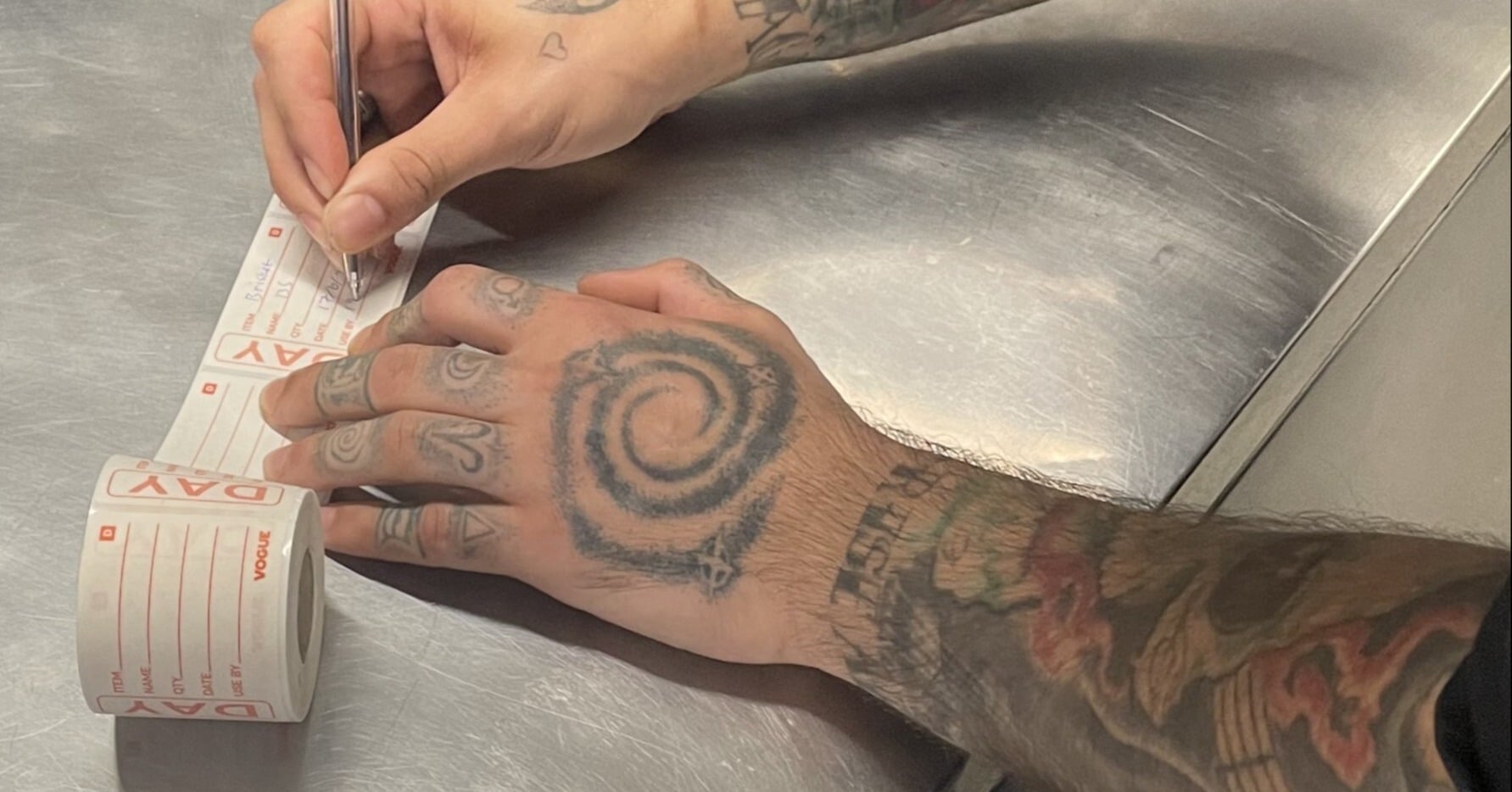
Poor labelling might not directly show up in your P&L, but it almost definitely contributes to it. It’s the root issue behind binned stock, lost hours, unnecessary extra admin, not to mention awkward questions on inspection day and risk to customer safety.
Wasted food and wasted hours
An unlabelled tub is a compliance decision waiting to happen. The chef who prepped it might not be on shift, so nobody can say for certain what's in it or when it was made, and that means it has to go in the bin. That's the right call, but it's still food you paid for. The odd tub here and there barely registers, but across a week, and across every site, that adds up to a much more sizable number.
Handwriting labels doesn't feel like admin, it’s just part of prep, right? In reality, it's minutes on every tub, on every shift, plus the time spent working out use-by dates, rewriting smudged labels and pulling records together when someone asks for them. Labl.it is 3x faster than handwriting and cuts admin time by 75%, which is time your team gets back for food and service.
Missed use-by dates
Waste is the version of this problem that ends well. The other version is stock staying in use past its use-by date or with mislabelled allergens because nobody caught it. Handwritten labels make that easy: dates get worked out under pressure, written in a hurry, and read by someone who wasn't there when the item was prepped. Labl.it calculates use-by dates automatically based on how the food is stored and alerts you as items approach expiry, and allergens are set up with the product.
Notices, fines, closure and customer safety
This is the point where the cost stops being internal. Under the Food Safety Act 1990, courts in England and Wales can impose fines and prison sentences of up to two years for food safety offences, and the Sentencing Council's guideline scales fines to the size of the business, so the bigger the operator, the bigger the number. Long before it reaches court, an officer who finds an imminent risk to health can serve a hygiene emergency prohibition notice and stop you trading that day.
And the costs go beyond financial. Natasha Ednan-Laperouse died on 17 July 2016, aged 15, after eating an improperly labelled baguette that contained sesame. The allergen wasn't listed on the label, and so her death led to the formation of Natasha’s Law, which mandates that all businesses selling PPDS must show a full ingredients list with the top 14 allergens clearly highlighted on the food label. It's a reminder that the gap between a compliant label and a missing ingredient can be the most costly thing in the building.
Binned stock and a prosecution aren't separate problems. They're the same small failure caught at different points. Labelling is usually the cheapest thing to get right, and more often than not, it’s one of the most expensive things to get wrong.
If you want to see what better labelling looks like in your kitchen, you can try Labl.it free for a fortnight. No contract, no commitment, and if it doesn't suit your setup, return it for free in the prepaid box.